The Camera-Off Comeback: How Going Private Might Be the Most Honest Thing You Do for Your Health
There's a story a lot of wellness streamers know but rarely tell out loud. It goes something like this: you joined a live fitness class, you turned your camera on, you smiled through the warm-up — and then spent the next 45 minutes performing health instead of actually practicing it. You adjusted your form for the angles. You skipped the water break because it looked lazy. You finished the session feeling more like a cast member than a person who just worked out.
That story matters, because it points to a quiet tension sitting at the heart of the live health streaming boom. The same visibility that keeps millions of Americans accountable is, for a meaningful chunk of those same people, actively getting in the way.
When the Audience Becomes the Problem
Live streaming platforms have done something genuinely remarkable for American health culture. They've replaced the loneliness of the solo gym session with something that feels more like community — real-time feedback, shared effort, the low-grade social pressure that makes you show up even when your couch is calling. The science on social accountability is solid. People follow through more consistently when they feel observed.
But here's the part that gets glossed over: not all observation is created equal. There's a meaningful psychological difference between being seen by a trusted few and being broadcast to an open audience. For some people — researchers sometimes call them high self-monitors, or folks with elevated performance anxiety — public visibility doesn't just add pressure. It reshapes the entire goal. Suddenly the objective isn't to get healthier. It's to look like someone who's getting healthier.
That's a subtle but devastating shift. When your primary audience is strangers or an algorithm, you start optimizing for their perception rather than your actual progress. You avoid the exercises you're bad at. You skip the honest check-in with your dietitian because you don't want to admit you ate badly last Tuesday. You curate your wellness journey instead of living it.
The Semi-Private Sweet Spot
This is where something interesting is happening in the live streaming space. Platforms are quietly moving beyond the binary of "fully public" versus "completely alone" — and building what some developers are calling semi-private group experiences.
The concept is straightforward: instead of broadcasting to an open room of hundreds or thousands, you stream within a closed cohort. Maybe it's eight people from the same neighborhood. Maybe it's a group of coworkers who signed up for a shared wellness challenge. Maybe it's a handful of strangers who were matched by a platform based on compatible goals and schedules. The key ingredient isn't the size — it's the intimacy. Everyone in the room knows each other, at least a little. The stakes of performance theater drop dramatically when you're not playing to an anonymous crowd.
Early signals from platforms experimenting with these formats suggest the results can be striking. Attendance consistency tends to improve. People report feeling more comfortable sharing setbacks. Medical consultation features — the kind where you can actually tell a doctor what's really going on rather than what sounds good — see higher engagement. The accountability is still there. It just comes from a different source: the people in the room, rather than the number on the viewer counter.
Accountability to Yourself Is Still Accountability
There's another layer here worth unpacking, and it's the one that sounds almost paradoxical until you sit with it for a second.
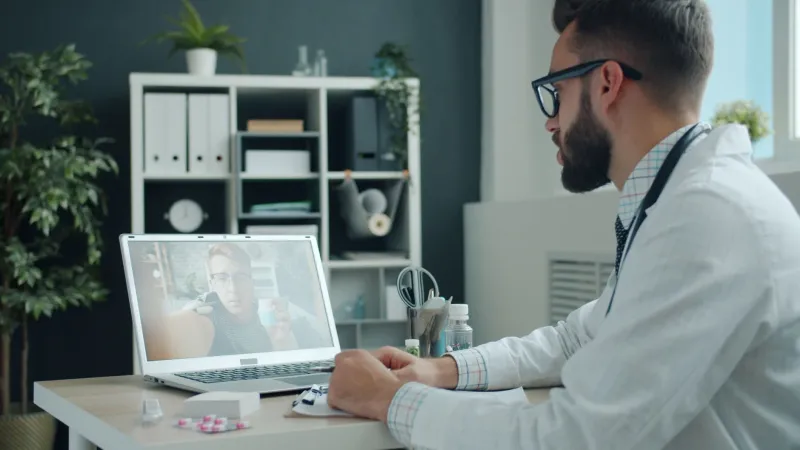
Some of the most consistent health progress reported by live streaming users happens in completely private sessions — camera off, no live audience at all — where the person is streaming to themselves. They're recording their workout for their own review. They're logging into a live consultation and keeping their video disabled. They're participating in a guided meditation stream with their microphone muted.
This sounds like it defeats the whole purpose of going live. But what these users describe is something closer to a personal ritual than a performance. The liveness of the platform still matters — it creates a sense of real-time structure that pre-recorded content can't replicate. The scheduled class starts at 7 AM whether they feel like it or not. The live consultation happens at a fixed time that forces them to actually show up to their own health. The format provides accountability without the audience.
For people who find public streaming paralyzing rather than motivating, this can be the difference between a habit that sticks and one that quietly dies after three weeks.
Redesigning the Live Health Experience Around Real People
What this all points to is a more nuanced model of what live health streaming can and should be. The platforms winning long-term aren't necessarily the ones with the biggest open audiences — they're the ones building flexible visibility settings that let users dial their accountability to the level that actually serves them.
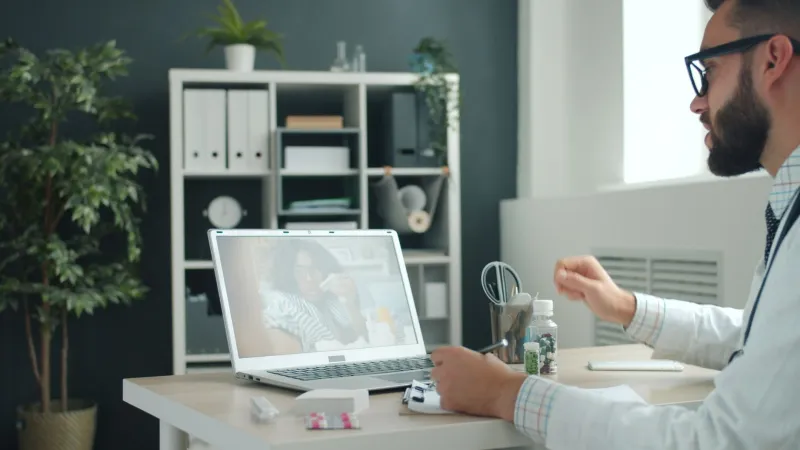
That might mean a live fitness class where participants can choose between public, cohort-only, or camera-off modes without any social stigma attached to any option. It might mean a live nutrition check-in structured more like a private group text than a broadcast. It might mean medical consultations that lean into the privacy defaults of telehealth while still preserving the real-time responsiveness that makes live formats valuable in the first place.
The broader insight is one that the wellness industry has been slow to absorb: accountability is personal. What creates follow-through for one person creates paralysis for another. The live streaming format is powerful precisely because it can be shaped around that reality — but only if platforms are willing to move past the assumption that more visibility always equals more motivation.
Finding Your Right-Size Audience
If any of this sounds familiar — if you've ever caught yourself performing a workout rather than doing one, or held back during a live health consultation because you weren't sure who was watching — it might be worth experimenting with your visibility settings the next time you log on.
Turn the camera off for a week. Join a smaller cohort instead of an open class. See what happens to your effort level when the only person you're accountable to is someone who actually knows your name.
For a lot of people, that's when the real work starts. Not when the audience gets bigger — but when it gets small enough to be honest.